
December 12, 2025
Understanding the Google Core Update of December 2025: What It Means, Who It Affects, and How to Respond
December 11, 2025
Generative Engine Optimization (GEO): The Complete Guide to Ranking in AI Search
December 9, 2025

Author:
.png)
More than half of online searches now end without a single click to a website. Users are getting their answers directly from ai powered answer engines like ChatGPT, google’s ai overviews, Perplexity, and Claude, fundamentally changing how brands must approach search visibility in the digital marketing landscape.
Traditional search engine optimization focused on ranking in search engine results pages, but answer engine optimization represents a paradigm shift. Instead of competing for one of ten organic search traffic positions, brands must now optimize to become the single direct answer that ai tools provide to millions of users.
This comprehensive guide reveals how to dominate ai search through strategic answer engine optimization aeo, ensuring your business maintains brand visibility as search behavior evolves toward conversational questions and ai generated responses.
Answer engine optimization is the practice of optimizing content to appear prominently in ai generated answers from platforms like ChatGPT, google’s ai overviews, Perplexity, and other ai assistants. Unlike traditional seo strategy that targets multiple search results positions, aeo focuses on becoming the authoritative source that ai models cite when responding to user queries.
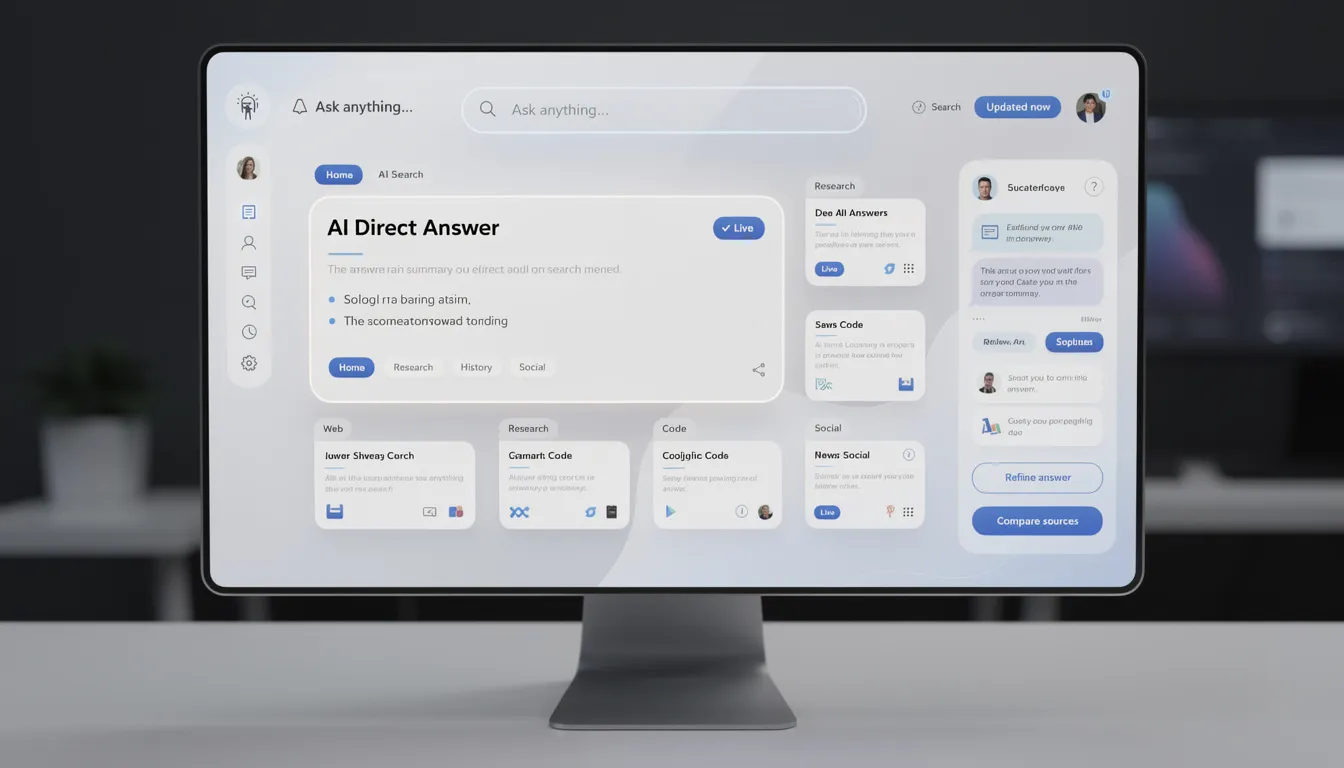
The fundamental difference lies in user intent and search behavior. When people search on Google, they expect to browse through search results and click links to find information. When using ai tools, they expect immediate, comprehensive answers without additional clicking or research. This shift from “find me pages about X” to “answer my specific question about X” requires a completely different optimization approach.
Answer engines use natural language processing and machine learning to understand conversational questions and provide synthesized responses. Rather than simply matching keywords to content like traditional search engines, these ai systems interpret context, analyze multiple sources, and generate cohesive answers that directly address user intent.
The evolution from search engine to answer engine represents more than a technological upgrade—it’s a fundamental change in how people access information. Voice searches through ai assistants, ai chatbots, and smart devices have normalized the expectation of immediate, spoken answers rather than lists of links to explore.
The explosive growth of ai tool usage has created an urgent need for brands to adapt their content strategies. ChatGPT reached over 400 million weekly active users within two years of launch, while Google reports that ai overviews now appear for billions of queries monthly. These platforms have become primary information sources for significant portions of internet users.
Business leaders, including many chief executive officers, are recognizing that brands not appearing in ai responses effectively become invisible to increasingly large user segments. Companies like american eagle and stack overflow have reported measurable traffic impacts as users shift toward ai-powered search experiences.
Research indicates that 65% of Google searches now end without users clicking on traditional organic search traffic links. This zero-click phenomenon extends far beyond simple fact-checking queries—users receive comprehensive answers about complex topics directly through featured snippets, ai overviews, and other instant answer formats.
The wall street journal reports that this trend accelerated significantly in 2024 as ai systems became more sophisticated at providing complete, actionable responses. Voice searches through ai assistants contribute heavily to this pattern, as users speaking to smart devices expect immediate spoken answers rather than visual lists requiring manual interaction.
Traditional seo metrics like click-through rates and organic traffic become less meaningful when the goal shifts to providing value through direct answers. Success in this environment requires brands to think beyond driving traffic to their sites and focus on becoming trusted sources that ai systems consistently cite.
Voice commerce is projected to reach $80 billion annually, driven primarily by ai assistants and smart home devices. These interactions rely heavily on conversational questions that require optimized, answer-ready content structured for ai consumption.
Users speaking to voice assistants naturally ask complete questions like “How do I optimize my google business profile for local searches?” rather than typing fragmented keywords. This conversational search behavior demands content that directly addresses these natural language patterns.
The integration of ai responses with voice assistants creates new opportunities for brand mentions and recommendations. When users ask Alexa or Google Assistant about products or services, the ai systems draw from their trained data and real-time sources to provide specific brand recommendations based on optimized content.

Understanding the technology behind answer engines is crucial for effective optimization. Modern ai systems like Google’s BERT and MUM, OpenAI’s GPT-4, and similar models use transformer architectures to process and understand content context rather than simply matching keywords.
These ai models analyze vast amounts of text data during training, learning patterns about how language works, what constitutes authoritative information, and how different topics relate to each other. When processing queries, they use natural language processing to interpret user intent and retrieve relevant information from their training data or connected databases.
The retrieval process involves several steps: query interpretation, content matching, relevance scoring, and response synthesis. The ai system first understands what the user is really asking, then identifies potential source material, evaluates the authority and relevance of different sources, and finally combines information into a coherent response.
Machine learning algorithms continuously improve these systems’ ability to select high-quality sources and generate accurate responses. They learn from user interactions, feedback signals, and ongoing training on updated data to refine their content selection and synthesis processes.
Structured data and schema markup play critical roles in helping answer engines understand and extract content effectively. When publishers implement proper schema markup for FAQs, how-tos, articles, and organization information, they provide clear semantic signals about their content’s meaning and structure.
Google’s Knowledge Graph aggregates trusted information from multiple sources to create comprehensive understanding of entities, relationships, and facts. Answer engines leverage these knowledge graphs to verify information accuracy and identify authoritative sources for specific topics.
Effective schema implementation involves more than basic markup—it requires strategic thinking about how ai systems will interpret and use the structured information. For example, FAQ schema should anticipate natural language variations of questions users might ask, while article schema should clearly indicate expertise and authoritativeness signals.
Third party sites that implement comprehensive structured data often see higher citation rates in ai responses. Tools like Google’s Structured Data Testing Tool and rich results reports help publishers verify that their markup is correctly implemented and recognized by ai systems.
The key differences between answer engine optimization and traditional seo extend far beyond surface-level tactical adjustments. These represent fundamentally different approaches to content creation, user experience, and success measurement.
Aspect
Traditional SEO
Answer Engine Optimization
Goal
Rank in search engine results pages
Become the cited source in direct answers
Competition
Compete for 10+ organic positions
Compete for single answer spot
Content Focus
Keyword-optimized pages
Question-answer clarity
User Experience
Click-through to website
Direct answer delivery
Measurement
Rankings, clicks, organic traffic
Citations, mentions, referral traffic
Timeline
Months to years for results
Weeks to months for optimization
Traditional seo strategies focus on improving site structure, building backlinks, and optimizing content around target keywords to achieve higher rankings. The goal is driving organic traffic to specific pages where users can engage with detailed content and potentially convert.
Answer engine optimization prioritizes content that directly addresses user questions with clear, authoritative answers that ai systems can easily extract and cite. Rather than optimizing entire pages for broad keyword themes, aeo focuses on optimizing specific content sections that answer precise questions.
Both strategies matter for comprehensive digital marketing success. Traditional search remains important for detailed research, product comparisons, and transactional queries where users prefer to browse multiple options. Answer engines excel at providing quick answers, definitions, and step-by-step guidance.
The integration approach involves maintaining strong seo foundations while adding aeo-specific optimizations. Brands that excel in both areas create multiple pathways for user discovery and engagement across different search contexts and user preferences.
Implementing effective answer engine optimization requires systematic approach that builds upon existing seo foundations while adding aeo-specific elements. The process typically takes several weeks to months depending on current content quality and technical optimization levels.
Start with a comprehensive content audit to identify existing pieces that already answer common questions in your industry. These represent immediate optimization opportunities where targeted improvements can generate faster results than creating entirely new content.
The implementation timeline should prioritize high-impact, low-effort optimizations first. Adding schema markup to existing FAQ sections, restructuring content with clear question-answer formats, and optimizing for featured snippets provide foundational improvements that support broader aeo efforts.
Building on existing seo best practices ensures that optimization efforts remain effective for both traditional and ai search. Core technical elements like fast loading times, mobile responsiveness, and clear site structure benefit both search engines and ai systems attempting to crawl and understand content.
Content format plays a crucial role in aeo success. ai systems favor content structured with clear questions as headings followed immediately by concise, direct answers. This question-answer format makes information easily extractable for ai synthesis.
Effective content optimization involves restructuring existing articles to frontload answers while maintaining supporting details and context. Rather than burying key information in lengthy paragraphs, place direct answers in the first sentences after question headings.
Bullet points and short paragraphs improve content readability for both users and ai systems. Complex information broken into digestible chunks increases the likelihood that ai tools will successfully extract and cite relevant portions in their responses.
A dedicated faq section addressing common questions in your industry provides concentrated optimization opportunities. These sections should use natural language variations that match how people actually ask questions, including conversational questions that voice search users might speak aloud.
Content length should prioritize completeness and clarity over arbitrary word counts. ai systems prefer comprehensive answers that fully address user intent rather than lengthy content that doesn’t directly answer the query.
Technical implementation for aeo builds upon standard seo technical requirements while adding specific elements that facilitate ai content extraction. Site speed, mobile optimization, and crawlability remain foundational requirements that affect both traditional and ai search performance.
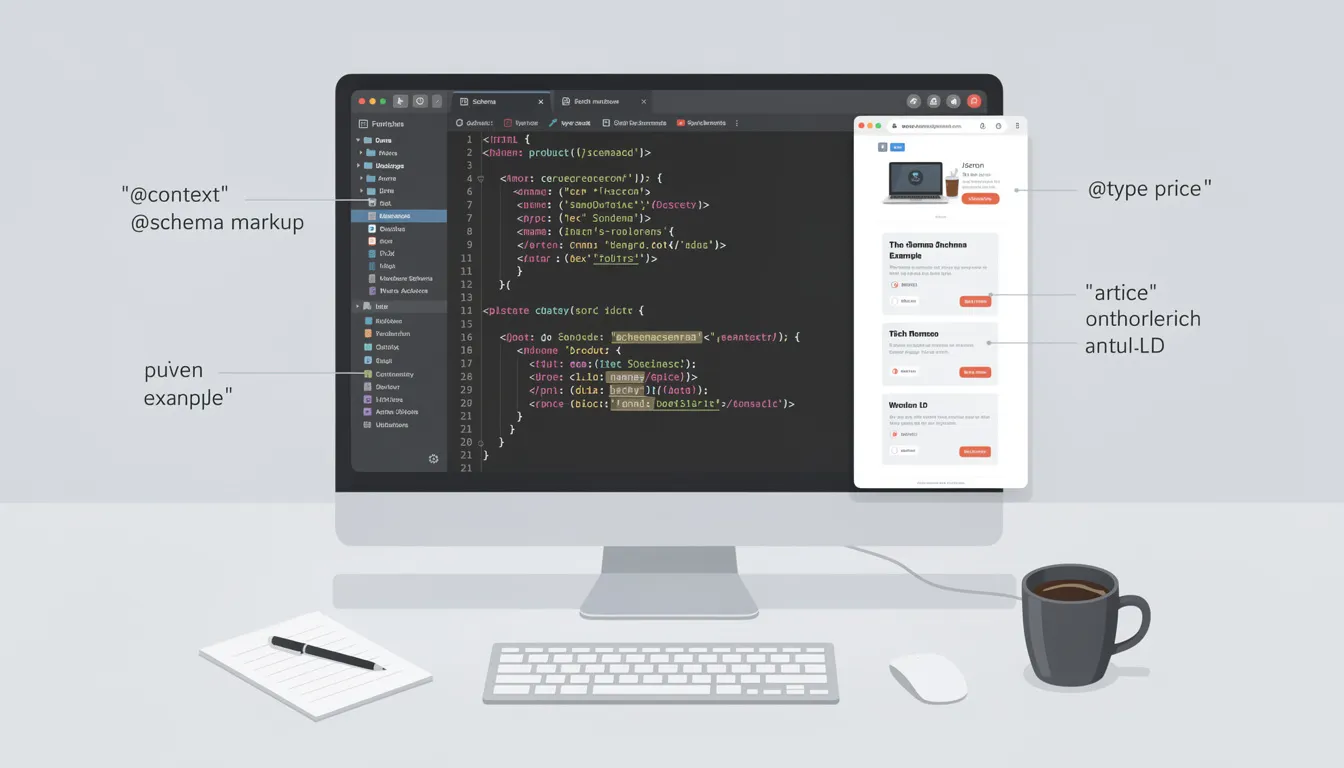
Schema markup implementation represents the most important technical aeo requirement. FAQ schema, HowTo schema, Article schema, and Organization schema provide structured signals that help ai systems understand content context and meaning.
Adding schema markup can be accomplished through various methods depending on technical expertise and platform capabilities. WordPress users can leverage plugins like Yoast or RankMath that provide user-friendly schema implementation tools without requiring manual coding.
Manual schema implementation offers greater control and customization options for advanced users. JSON-LD format is generally preferred for its clean implementation that doesn’t interfere with page content while providing comprehensive structured data.
Regular schema validation using Google’s Rich Results Test ensures that markup is correctly implemented and recognized by search engines and ai systems. Errors in schema implementation can prevent ai tools from properly understanding and citing content.
ai systems prioritize content from trusted sources with demonstrated expertise and authority. Building authority for aeo requires both on-site optimization and off-site reputation development across multiple channels and platforms.
On-site authority signals include clear author credentials, comprehensive “About” sections, professional contact information, and consistent citation of authoritative sources. These elements help ai systems assess content trustworthiness and likelihood of accuracy.
Off-site authority building involves securing mentions and citations from other authoritative sources in your industry. Guest posting opportunities, industry partnerships, and thought leadership activities create external validation that ai systems recognize as authority signals.
Consistent business information across all online platforms strengthens authority signals. Ensuring that business name, address, and phone number (NAP) information matches across your website, google business profile, social media profiles, and local listings creates coherent entity recognition for ai systems.
Building expertise requires demonstrating genuine knowledge and staying current with industry developments. Regularly publishing insights, case studies, and original research positions your brand as a trusted source that ai systems should cite for relevant queries.
Measuring aeo performance presents unique challenges compared to traditional seo tracking. While seo provides transparent ranking data and organic traffic metrics, aeo success involves probabilistic ai responses that vary based on user context and query specifics.
Manual tracking methods remain necessary for comprehensive aeo monitoring. Regularly testing relevant queries across different ai platforms helps identify when your content appears in ai responses and how it’s being cited or referenced.
Creating spreadsheets to track citation frequency, mention context, and platform variations provides baseline data for assessing aeo effectiveness over time. This manual process requires consistent effort but provides insights unavailable through automated tools.
Specialized tracking tools are emerging to address aeo measurement needs. Platforms like OmniSEO offer automated tracking capabilities that monitor brand mentions across multiple ai platforms, though coverage and accuracy continue improving as these tools mature.
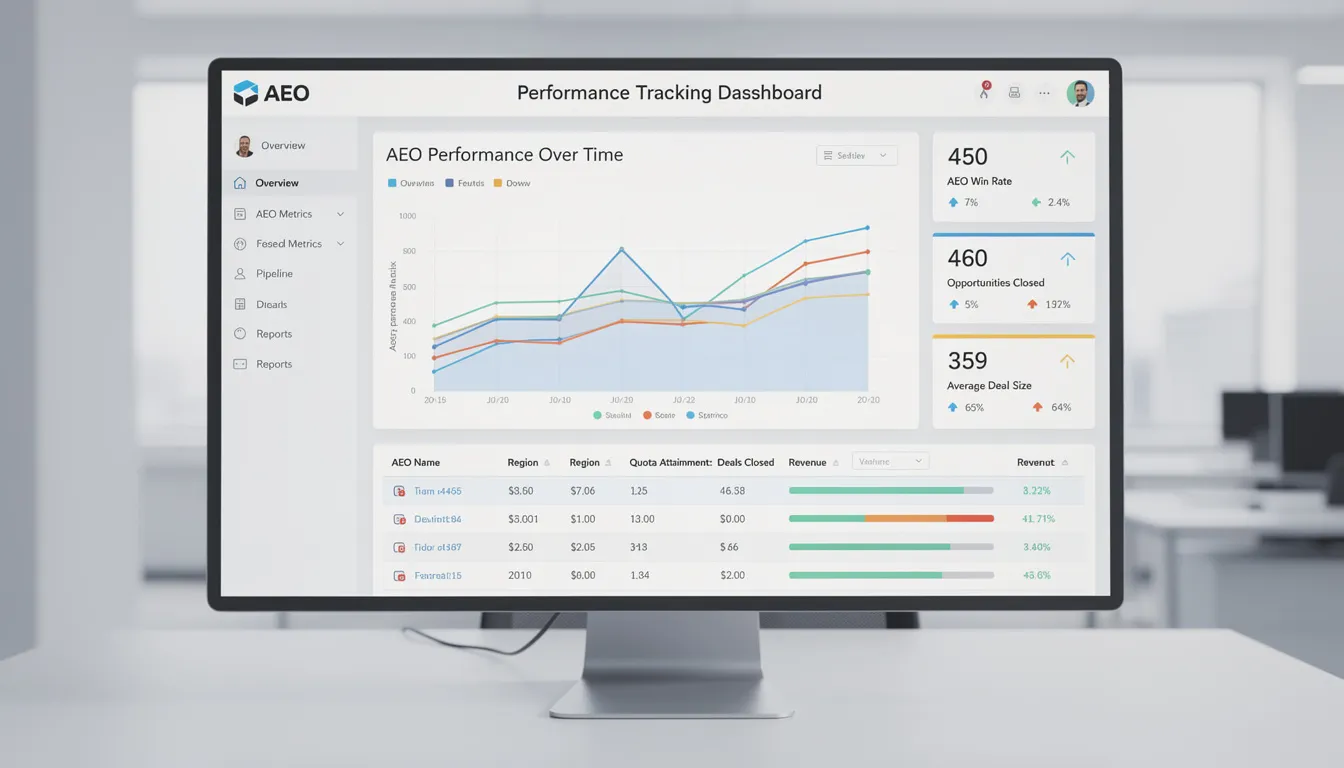
Essential aeo metrics focus on visibility and citation rather than traditional seo metrics like rankings and clicks. Citation frequency across different ai platforms indicates how often ai systems select your content as authoritative sources for relevant queries.
Referral traffic from ai platforms provides quantifiable business impact data, though tracking requires careful analytics setup to identify ai-driven visits. Setting up custom channel groups in Google Analytics 4 helps isolate ai referral traffic from other sources.
Brand mentions in ai responses represent valuable exposure even when they don’t generate direct clicks. These mentions build brand awareness and establish authority positioning that influences user perceptions and future search behavior.
Competitor visibility tracking reveals opportunities and threats in the aeo landscape. Understanding which competitors consistently appear in ai responses for target keywords helps identify content gaps and optimization opportunities.
Featured snippets performance correlates strongly with aeo success, as content optimized for featured snippets often performs well in ai responses. Tracking featured snippet appearances provides a proxy metric for broader aeo effectiveness.
Each ai platform has unique characteristics that affect content selection and presentation. ChatGPT, Google AI Overviews, Perplexity, Claude, and Bing Copilot use different training data, retrieval methods, and citation patterns that require platform-specific optimization approaches.
ChatGPT draws primarily from web content available during its training cutoff, supplemented by real-time browsing capabilities in certain versions. Content that was widely cited and linked during its training period has higher probability of appearing in responses.
Google’s AI Overviews integrate with Google’s existing search index and knowledge graph, favoring content that already performs well in traditional search results. Strong seo performance often translates to better visibility in ai overviews.
Perplexity emphasizes real-time information retrieval and source citation, making it particularly important for timely content and breaking news. Fresh, well-sourced content performs better on Perplexity than static information.
Bing Copilot integrates with Microsoft’s search infrastructure and emphasizes helpful, actionable responses. Content that provides clear step-by-step guidance and practical advice tends to perform well across Bing’s ai implementations.
Understanding these platform differences enables targeted optimization strategies that maximize visibility across the most relevant ai tools for your target audience and industry.
ai hallucinations represent a significant challenge where ai systems generate false or misleading information about brands or topics. While preventing hallucinations entirely is impossible, brands can minimize risks through consistent, accurate information across all online touchpoints.
Securing internal buy-in for aeo initiatives can be challenging when traditional organic traffic metrics may initially decline as users shift to ai platforms. Presenting aeo as a defensive strategy to maintain visibility rather than purely growth-focused helps build internal support.
Resource allocation challenges arise when adding aeo optimization to existing seo and content marketing workflows. Starting with high-impact, low-effort optimizations helps demonstrate value before requesting additional resources for comprehensive aeo implementation.
The unpredictable nature of ai responses makes it difficult to guarantee specific outcomes or timeline expectations. Setting realistic goals around citation frequency and mention improvement rather than traffic targets helps manage expectations appropriately.
Measuring return on investment remains challenging without established aeo tracking methodologies. Focusing on leading indicators like schema implementation, content optimization completion, and citation frequency provides interim success metrics while ROI tracking tools mature.
NerdWallet exemplifies successful adaptation to the ai search era. Despite experiencing organic traffic decline as users shift to ai platforms, the company maintained revenue growth by optimizing for ai citations and focusing on high-value user acquisition rather than traffic volume.
Several B2B software companies have reported increased lead quality from ai-driven referrals. Users arriving through ai recommendations tend to be further along in their research process and more likely to convert than those from traditional search browsing.
Local businesses implementing comprehensive local listings optimization and google business profile enhancement have seen improved visibility in ai responses for location-based queries. Voice search users frequently ask ai assistants for local business recommendations, creating opportunities for optimized local businesses.
E-commerce brands focusing on product information optimization and detailed specifications have gained visibility in ai shopping recommendations. When users ask ai tools for product comparisons or buying advice, well-optimized product content increases citation likelihood.
stack overflow experienced challenges during the ai transition as users increasingly asked coding questions directly to ai tools rather than browsing community forums. However, the platform’s high-quality content continues being cited by ai systems, maintaining its authority despite traffic changes.
ai advancement will continue creating more personalized and context-aware answer experiences. Future ai systems will consider user location, search history, preferences, and current context to provide highly customized responses rather than universal answers.
The integration of answer engines with augmented reality devices and smart home systems will create new optimization opportunities. Brands optimizing for voice assistants and visual search will need to consider how their content appears in mixed-reality environments.
ai systems may evolve beyond providing information to performing actions like bookings, purchases, and service requests. This evolution will create new optimization requirements focused on transaction completion rather than information delivery.
Staying ahead of aeo trends requires continuous monitoring of ai platform developments, algorithm updates, and user behavior changes. Brands that invest in flexible optimization strategies will adapt more easily as the landscape continues evolving.
The increasing sophistication of ai systems will likely favor brands with genuine expertise and authority over those attempting to manipulate ai responses through technical tactics alone. Long-term success will depend on providing genuine value and building authentic authority.
A systematic 90-day aeo implementation roadmap ensures comprehensive optimization without overwhelming existing workflows. The first 30 days should focus on audit, planning, and quick wins that provide immediate value.
Week 1-2: Conduct comprehensive content audit identifying existing question-answer content, pages already ranking for featured snippets, and high-authority pages that could be optimized for aeo. This audit provides the foundation for prioritized optimization efforts.
Week 3-4: Implement basic schema markup on existing FAQ sections and high-priority pages. Most content management systems provide plugins or tools that make schema implementation accessible without technical expertise.
Month 2 should focus on content optimization and expansion. Restructure high-priority pages with clear question-answer formats, expand FAQ sections with additional relevant questions, and create new content targeting important industry questions not currently addressed.
Month 3 involves authority building and technical refinement. Develop content partnerships with industry publications, optimize local listings and business information consistency, and implement advanced schema markup for additional content types.
Ongoing optimization requires regular monitoring, content updates, and strategy refinement based on performance data and platform changes. aeo success depends on consistent effort rather than one-time optimization campaigns.
The integration of aeo with existing seo strategies ensures comprehensive search visibility across traditional and ai platforms. Brands that excel in both areas create robust search marketing foundations that adapt effectively to continuing industry evolution.
Starting with aeo implementation today provides competitive advantages as ai search adoption accelerates. Early movers establish authority positioning and citation patterns that become increasingly valuable as more users shift to ai-powered search experiences.
means businesses must adapt their digital marketing strategies to remain visible as search behavior fundamentally changes. answer engine optimization represents not just an opportunity but a necessity for maintaining brand visibility in the evolving search landscape.
Your new AI assistant will handle monitoring, audits, and reports. Free up your team for strategy, not for manually digging through GA4 and GSC. Let us show you how to give your specialists 10+ hours back every week.
Read More
December 12, 2025
December 11, 2025
December 9, 2025
Just write your commands, and AI agents will do the work for you.